First of all, let’s label retirement for what it actually is. It’s trauma.
A sudden disruption of predictability that forces you to reorganize your identity, your routines, and the way you live.
And somehow, we're supposed to believe it all turns into paradise overnight?
The Garden of Eden Myth
For most people, retirement is framed as the ultimate paradise. One day you wake up in the "Garden of Eden", so to speak, without a care in the world.
That sounds great. And I believe retirement can get pretty close to it. But for most people, it doesn't happen right out of the gate. And for many, that paradise never even shows up.
Which makes sense when you think about it:
Retirement is a big deal. Not just financially. Not just socially. Biologically and psychologically.
Retiring gracefully requires strategy.
Think about how much preparation went into your career. Education, training, experience, mistakes, adjustments. You didn't walk into your first job knowing everything. Through trial and error (probably lots and lots of trial and error) you learned how to navigate that world over time.
Then you spent the next thirty or forty years mastering it.
Now consider retirement. You've probably spent years making sure you'll have enough money. You've talked to financial advisors, reviewed investments, and calculated what you'll need to be comfortable. All required steps in the process.
But how much time have you spent figuring out how to actually live once you get there?
Not how to afford retirement. How to live in retirement. Those are two entirely different things.
I've talked to countless retirees, many who've said they love golf but admit there's only so much golf you can play. Others travel constantly. Some fill their calendars just to have something to do. And there's nothing wrong with any of that.
But the question you want to ask yourself is: are those choices part of a broader life you've deliberately designed? Or are you just trying different things and hoping something eventually clicks?
The truth is, although you may have mastered other areas of life, this is a phase you've never experienced before. A game with rules you haven't been told about. One you've spent decades working toward, with little knowledge on how to approach it.
Your brain doesn’t know you’ve retired.
For decades, your brain has adapted to your routines, responsibilities, relationships, challenges, and expectations. It's learned what matters, what to anticipate, and how to respond.
You've changed your physical environment, but psychologically your brain is still ready for that morning meeting. It's prepared for that afternoon strategy session. The calendar is clear but the patterns you've spent decades developing don't just disappear because you've decided to stop working. The brain needs updated instructions.
That's why retirement isn't simply a matter of finding enough things to do. It's a matter of understanding the system you're working with.
The same brain that adapted to your career can adapt to what comes next. The difference is whether you're doing it deliberately or leaving it to chance.
Getting to the root of it.
Most advice tells you what to do: exercise, socialize, stay busy, find a hobby, get enough rest.
That's fine. But it skips the part that matters most: Why?
Why is social interaction important?
What happens when you spend too much time alone?
Why might an afternoon doing absolutely nothing feel restorative one day and miserable the next?
Why can one vacation leave you refreshed, while another leaves you feeling like you need a vacation from your vacation?
And perhaps most importantly, how do you recognize what you actually need at any given moment?
Once you begin understanding how attention, habits, stress, reward, and recovery work, those decisions become less arbitrary. You start noticing patterns and making deliberate choices for a reason.
Maybe today you need a challenge. Maybe you need social interaction. Maybe you need to rest. Or maybe what you need is to stop sitting around and engage with the world.
The goal isn't to give you a lifetime of instructions. It's to empower you to make decisions on your own that lead you to a fulfilling retirement.
Lift the hood. Understand the machinery.
I'm not interested in telling you to “stay busy” or “enjoy your golden years” without explaining why something might actually help. We'll make the mechanics understandable, then apply them to your real life.
What changed and why it matters
Understand how decades of structure shaped your expectations, sense of purpose, and identity, and what happens when that structure disappears.
Design days that make sense
Build a rhythm around meaningful activity, challenge, connection, and freedom — not a calendar packed with distractions.
Resting, stressting, and laziness
Learn the difference between genuine, rejuvenating recovery and sitting still while your mind continues running at full speed.
Know what you need and why
Develop a working understanding of your own patterns so you can adapt your choices as life changes, without relying on a fixed set of rules.
Who this is for (and who it isn't)
This is for you if...
You're approaching retirement and want to prepare for more than the financial side.
You've already retired and found that unlimited free time isn't quite what you expected.
You've spent decades building, leading, solving problems, or pursuing demanding goals and want to approach this transition with the same intention.
You want the reasoning behind the advice, not just another list of things to do.
You're willing to take an active role in building what comes next.
This probably isn't for you if...
You're primarily looking for investment, tax, or estate-planning advice.
You want someone to hand you a list of hobbies and call that a retirement plan.
You're looking for motivational slogans instead of an explanation of how things work.
You want someone else to make every decision for you.
You're looking for clinical mental health treatment rather than coaching and education.
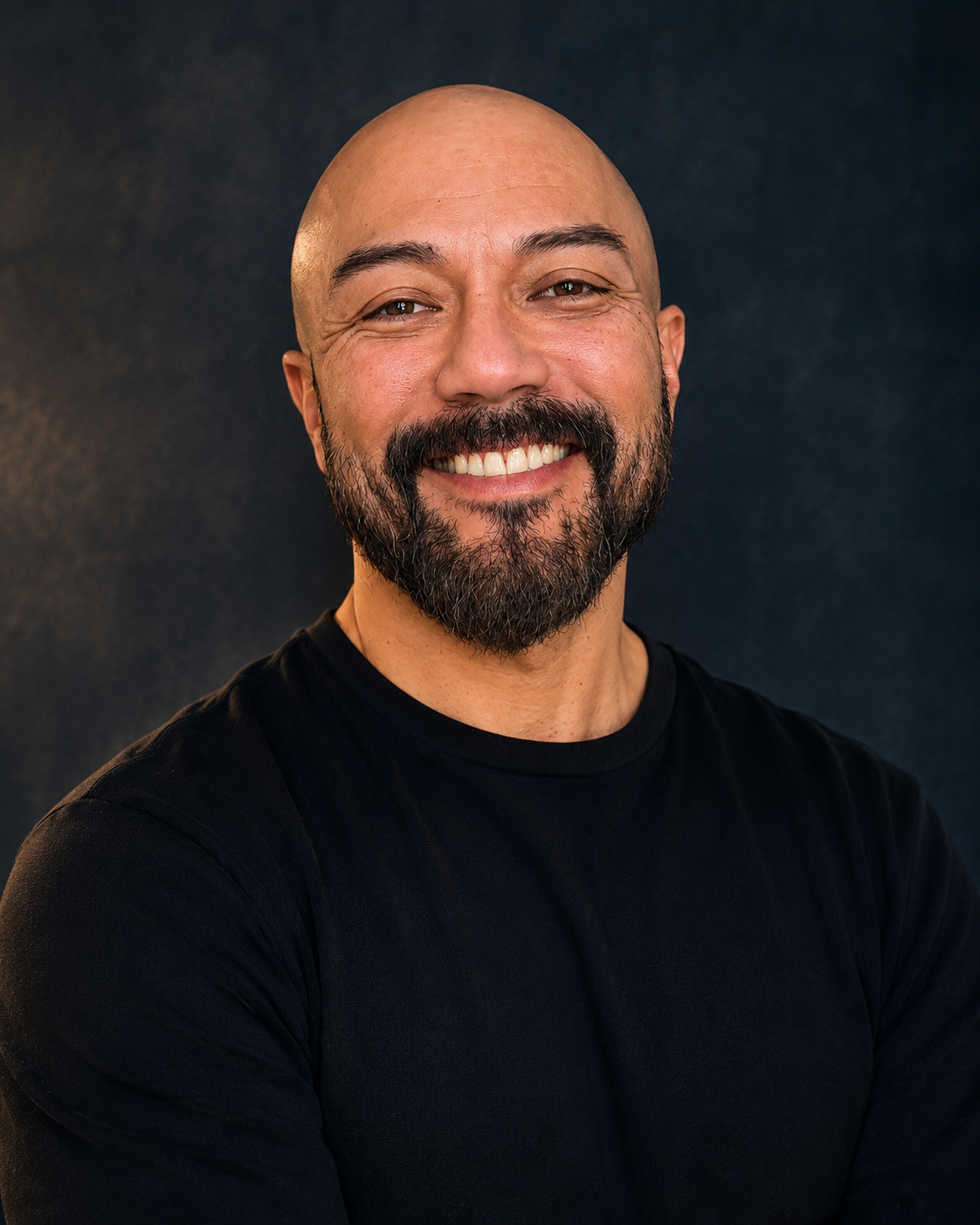
I'm not here to tell you to just think positive.
My work is built around a straightforward idea: understanding how your mind works changes the way you experience life.
I've spent years exploring how habits, attention, stress, and the brain's ability to adapt affect our everyday decisions. The more I've understood, the more intentionally I've been able to approach my own life, making even the ordinary moments meaningful experiences.
Retirement is an especially important place to apply that understanding. You're entering a chapter you've never lived before and I'm here to help.
My approach is honest and direct. I'll help you understand why this stage of life feels the way it does, explain the steps to take control, and help you apply them. The objective isn't for you to need me indefinitely. It's for you to develop the understanding to guide yourself.
You Retired From Work.
But Your Brain Didn't.
You spent decades working toward freedom. So why can slowing down feel so difficult?
Discover why retirement can leave even successful, accomplished people feeling restless or guilty about doing nothing—and how to begin approaching your next chapter differently.
Get the Free Guide → PDF guide · Instant access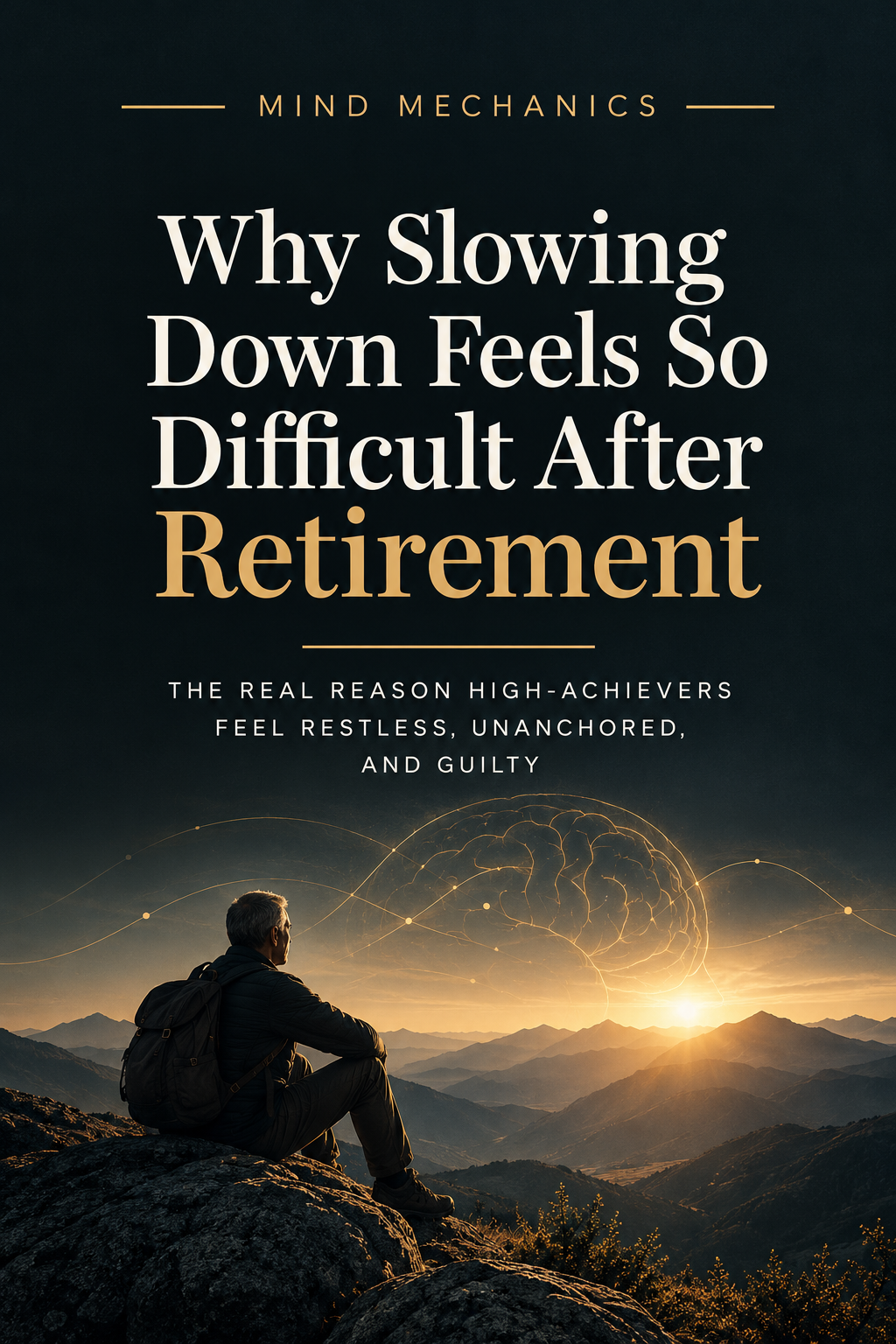
You've learned how to build a career.
Now, learn how to master life beyond it.
Retirement brings a kind of freedom you spent decades working toward. But making the most of that freedom takes more than finding ways to stay busy or hoping things just fall into place.
Thriving in Retirement is a comprehensive, practical program designed to help you understand why this transition feels so difficult and how to build days filled with clear direction, purposeful challenges, and the ability to genuinely rest.
Get notified when the next enrollment window opens.